In short
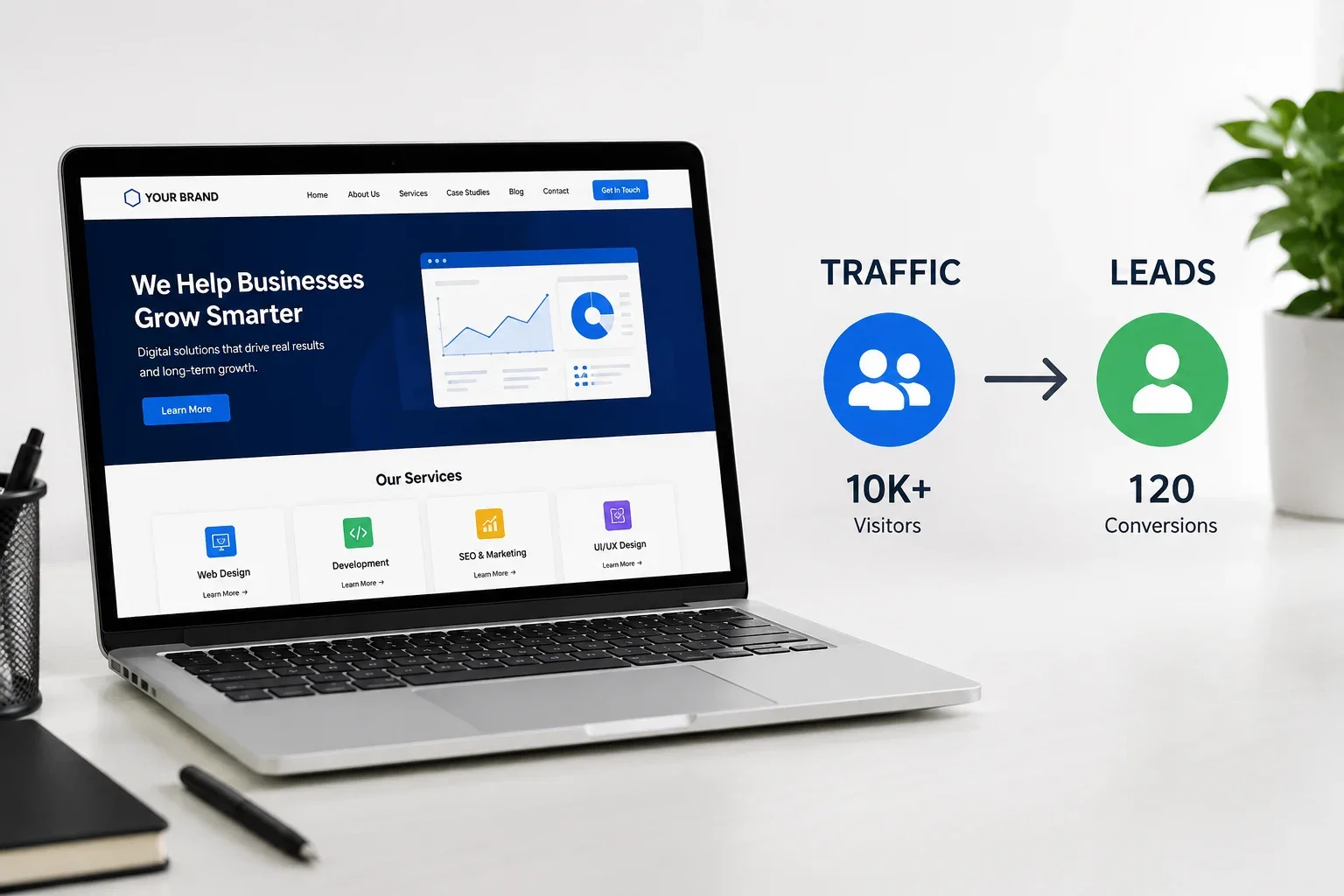
- Website traffic alone does not guarantee leads or conversions.
- Clear messaging and strong CTAs help guide visitors toward action.
- Website speed and mobile UX can significantly affect user experience.
- Trust signals such as reviews and case studies can reduce hesitation.
- Analytics and CRO testing can help identify and fix conversion problems.
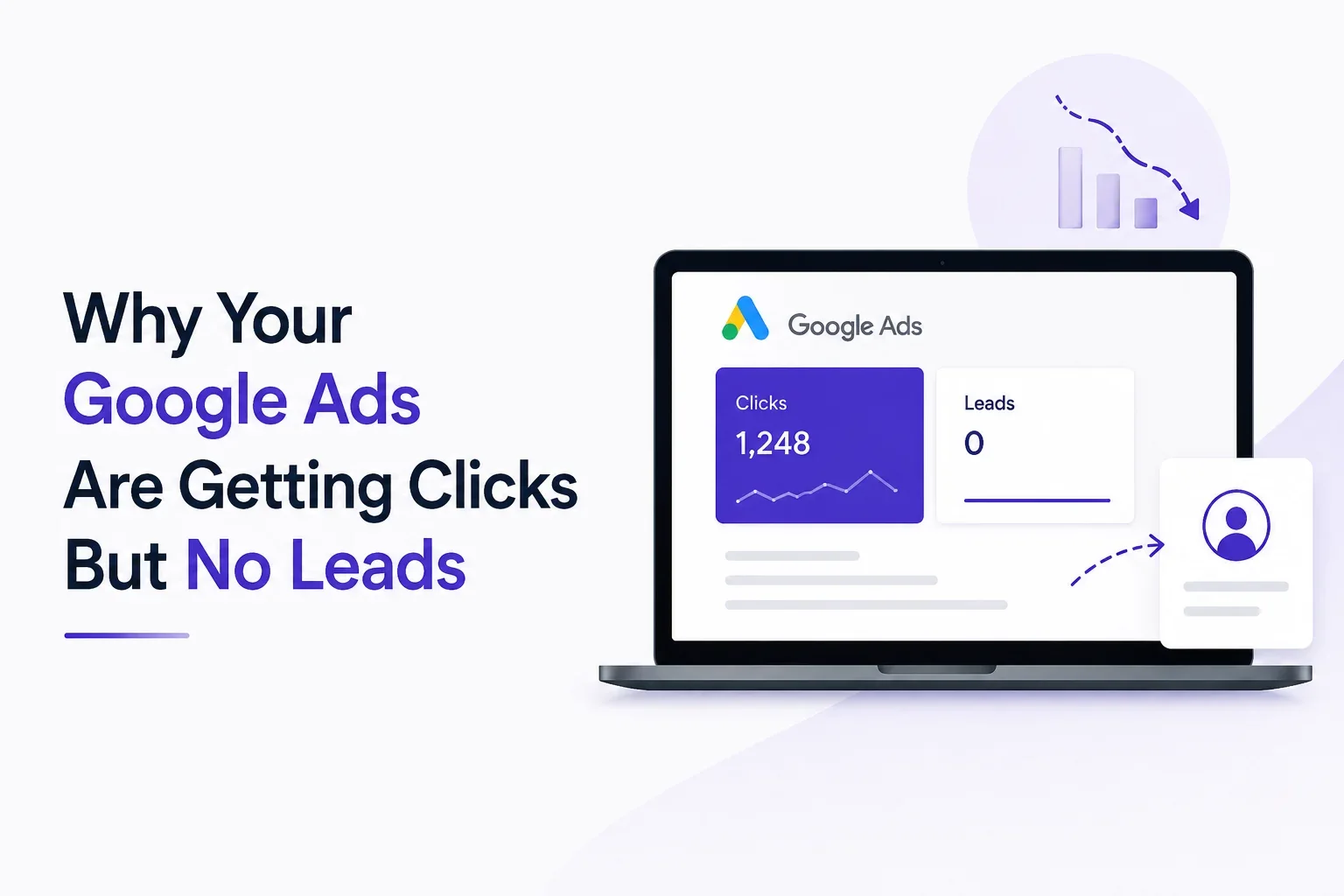
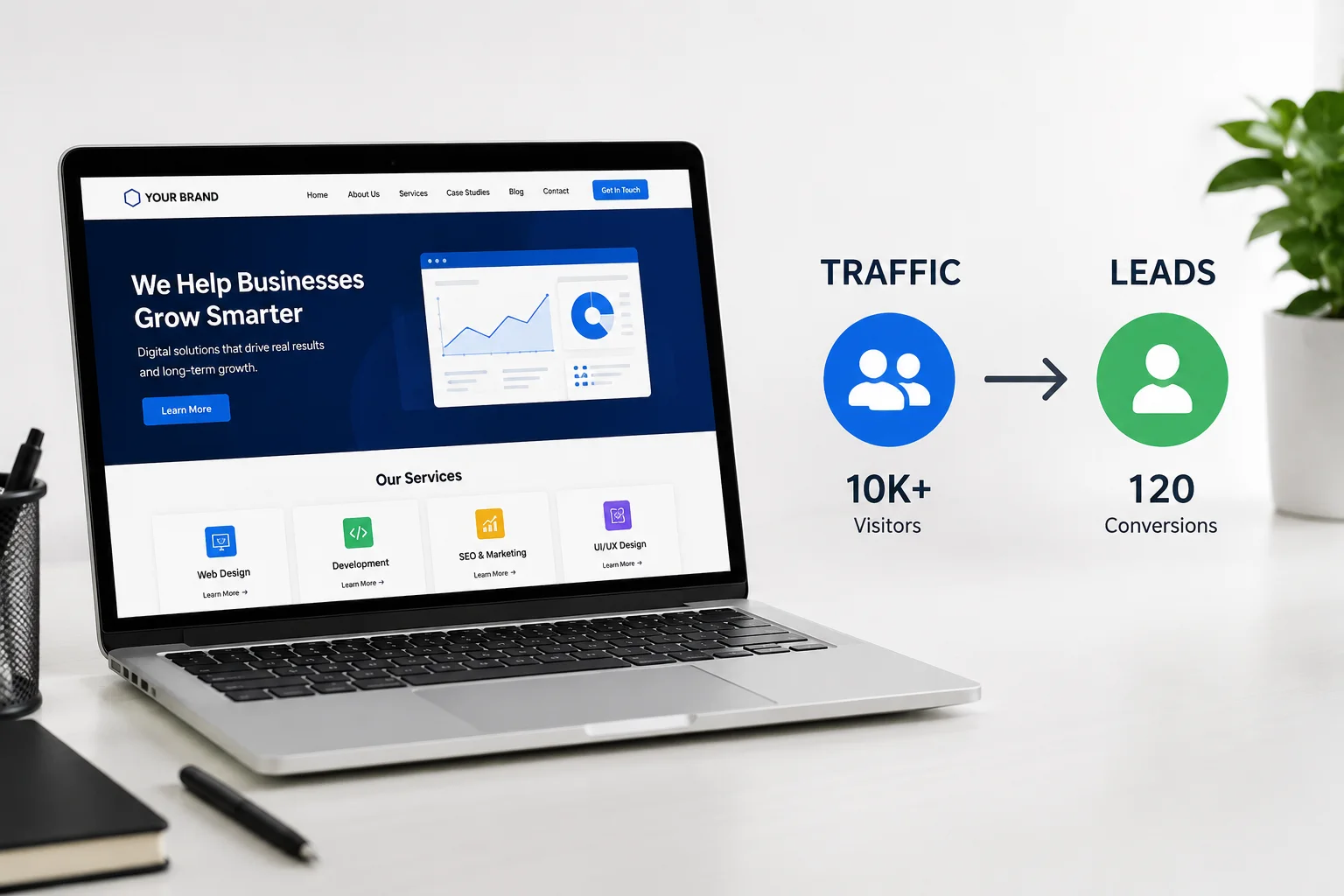
Getting visitors to your website is only half the battle. If your website receives consistent traffic but generates very few enquiries, calls, sign-ups, or purchases, the problem may not be your traffic strategy.
Your website could be losing potential customers because of poor user experience, unclear messaging, weak calls-to-action, slow pages, or a complicated conversion process.
Here are seven common conversion problems that could be preventing your website from turning visitors into leads.
1. Your Website Doesn't Clearly Explain What You Offer
Visitors should understand what your business does within a few seconds of landing on your website. If your homepage uses vague headlines without explaining the actual service or value, visitors may not know whether they've found the right solution.
Your hero section should clearly communicate:
- What you offer
- Who you help
- What problem you solve
- Why someone should choose you
- What action visitors should take next
A clear value proposition reduces confusion and helps users move further into your website.
2. Your CTA Isn't Clear Enough
A website can have excellent content and still generate poor results if visitors don't know what to do next.Instead of relying on generic buttons such as "Click Here" or "Learn More," use action-oriented CTAs that match the user's intent.
Examples include:
- Get a Free Consultation
- Request a Quote
- Book a Strategy Call
- Get Started Today
- Talk to Our Experts
Your primary CTA should also be easy to find across important pages.
3. Your Website Is Too Slow
Users don't want to wait for pages, images, or forms to load. Slow performance can create friction before a visitor even gets the opportunity to understand your offer.
Common causes include:
- Large image files
- Unnecessary JavaScript
- Too many third-party scripts
- Poor hosting configuration
- Unoptimized website code
- Excessive plugins or apps
Improving website performance can create a smoother experience and reduce unnecessary friction throughout the customer journey.
4. Your Website Doesn't Build Enough Trust
A visitor may be interested in your service but still hesitate to contact you because they aren't confident in your business.
Trust signals can help reduce that hesitation. Consider adding:
- Client testimonials
- Case studies
- Reviews
- Certifications
- Industry experience
- Client logos
- Portfolio examples
- Results and measurable outcomes
Instead of simply saying that your company provides high-quality services, show visitors evidence that supports the claim.
5. Your Forms Are Too Complicated
Long forms can discourage users from completing an enquiry. If you only need a name, email address, phone number, and basic project information, don't ask visitors to fill out ten or fifteen fields.
Keep forms simple and only collect information that is genuinely necessary at the first stage. You can always collect additional information later during the sales process.
6. Your Website Isn't Designed for Mobile Users
A website may look excellent on a desktop but still provide a poor experience on smartphones.
Since users frequently discover and interact with businesses through mobile devices, every important page should be tested on different screen sizes.
Check whether:
- Text is easy to read
- Buttons are easy to tap
- Forms work properly
- Images fit the screen
- Navigation is simple
- Pages load efficiently
A frustrating mobile experience can result in visitors leaving before they become leads.
7. Your Landing Pages Don't Match User Intent
Not every visitor should be sent to the homepage.
If someone clicks an advertisement for Shopify development, they should ideally land on a page specifically focused on Shopify development rather than a generic homepage.
A strong landing page should align the:
Search/Ad → Message → Landing Page → CTA
When these elements match, visitors are more likely to understand the offer and take the desired action.
How to Find What's Actually Reducing Your Conversions
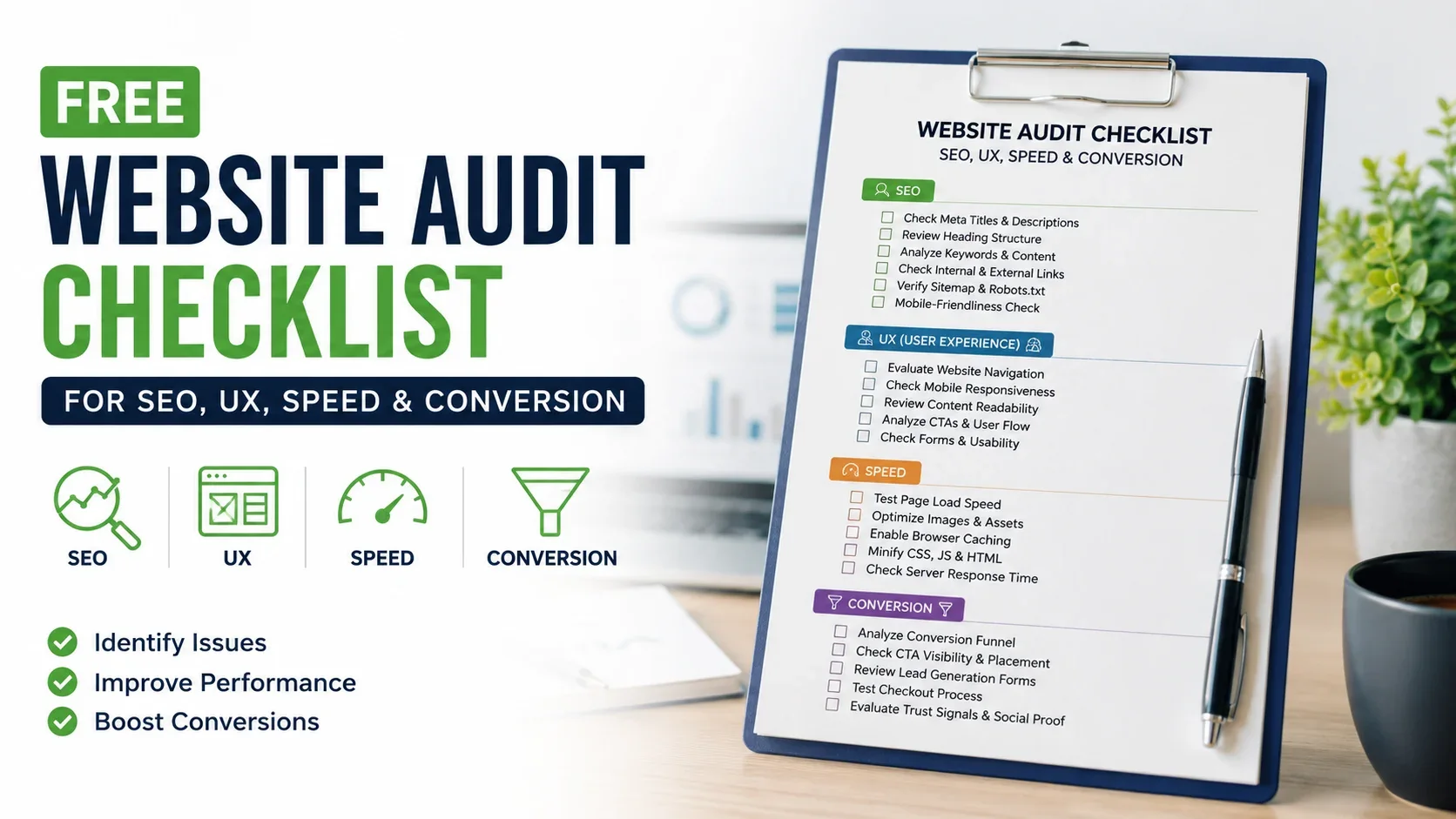
Don't rely only on assumptions. Use analytics and behaviour tools to understand what visitors are doing on your website.
You can analyse:
- Traffic sources
- Conversion rates
- Exit pages
- Form submissions
- User journeys
- Scroll behaviour
- Click behaviour
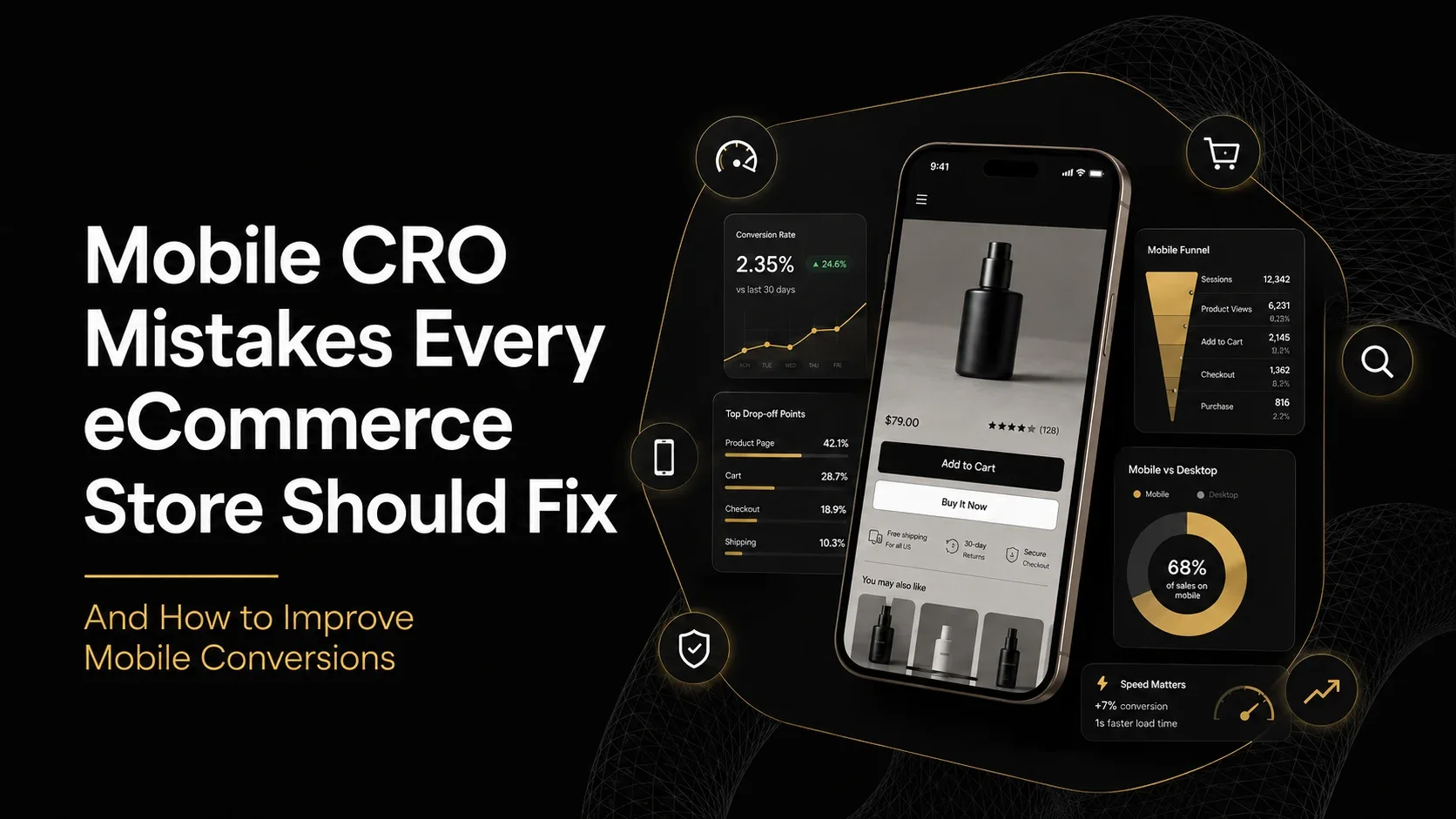
- Mobile vs desktop performance
Tools such as Google Analytics, Google Search Console, heatmaps, and session recordings can help identify where users are dropping off.
Once you know where the problem occurs, you can make targeted improvements instead of changing the entire website without a clear reason.
Final Thoughts
Getting website traffic is important, but traffic alone doesn't generate business. If visitors aren't converting, look beyond SEO and advertising. Your website experience, messaging, trust signals, forms, CTAs, mobile experience, and landing pages can all influence whether a visitor becomes a lead.
A well-designed website should not simply look professional. It should guide visitors toward taking meaningful action.
Ready to Turn More Visitors Into Customers?
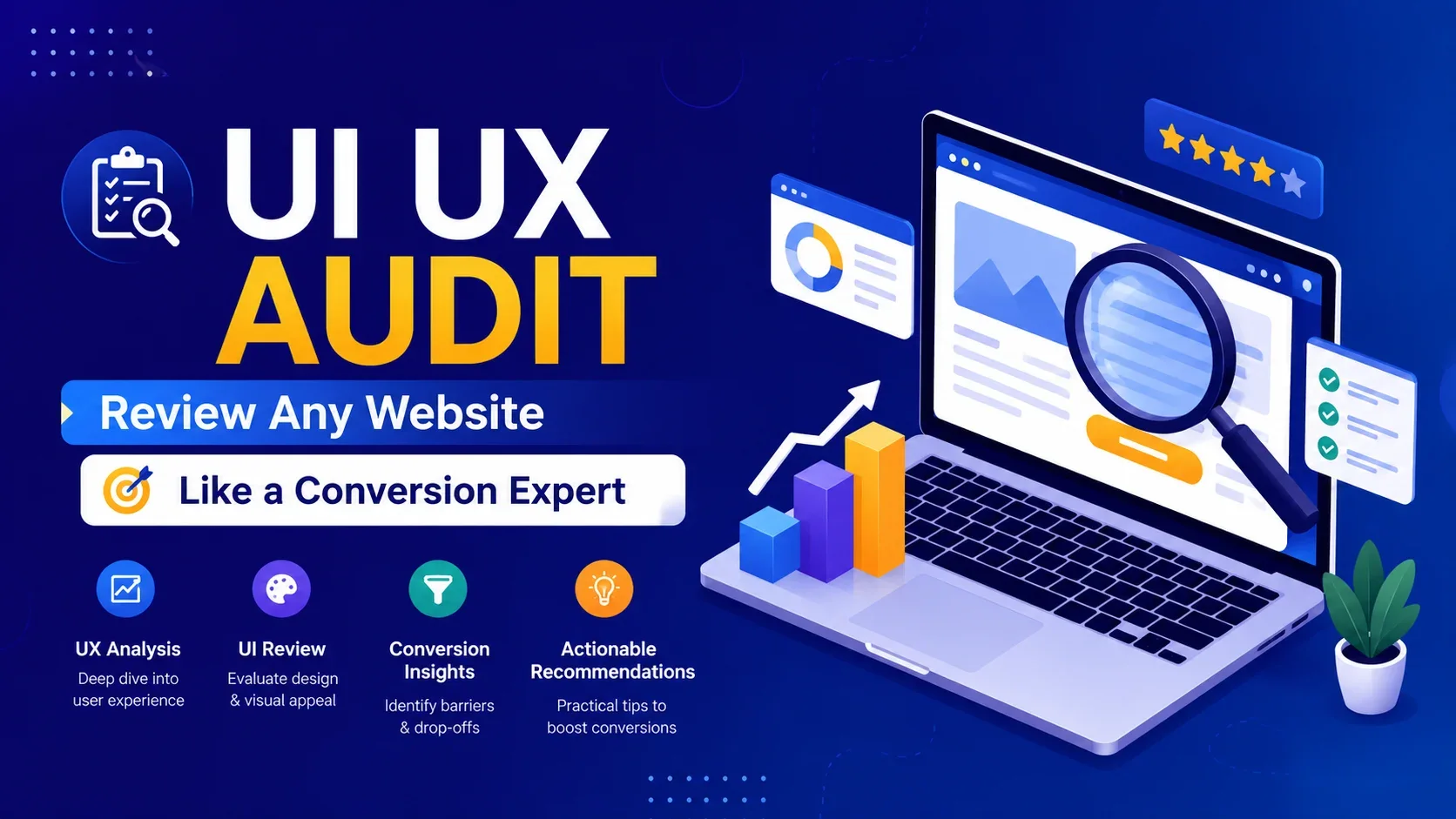
The Night Marketer can help you identify conversion barriers and improve your website through strategic UI/UX, web development, SEO, and CRO solutions.
Get in touch with The Night Marketer today and let's build a website designed for growth.Get Started Today
Frequently asked questions
Your website may have conversion issues such as unclear messaging, weak CTAs, poor UX, slow loading speed, complicated forms, or a lack of trust signals.
Start by analysing user behaviour and conversion data. Then improve your messaging, CTAs, page speed, forms, mobile experience, and landing-page structure.
Yes. Website design affects how easily users understand your offer, navigate your website, find important information, and complete conversion actions.
Important pages should generally provide visitors with a clear next step. The CTA should match the purpose and intent of the page.
Analytics, funnel tracking, heatmaps, and session recordings can help identify pages and steps where users frequently leave or abandon the conversion process.