In short
- LLM SEO helps AI platforms like ChatGPT, Gemini and Perplexity understand and reference your content more accurately.
- Traditional SEO remains the foundation, while entity optimization, structured content and topical authority improve AI visibility.
- Clear answers, expert insights, technical SEO and connected topic clusters increase the chances of being cited in AI-generated responses.
- Measure AI visibility separately by monitoring brand mentions, citations and referral traffic from AI-powered search experiences.
- Businesses that optimize for both search engines and AI assistants will have a competitive advantage as conversational search continues to grow.
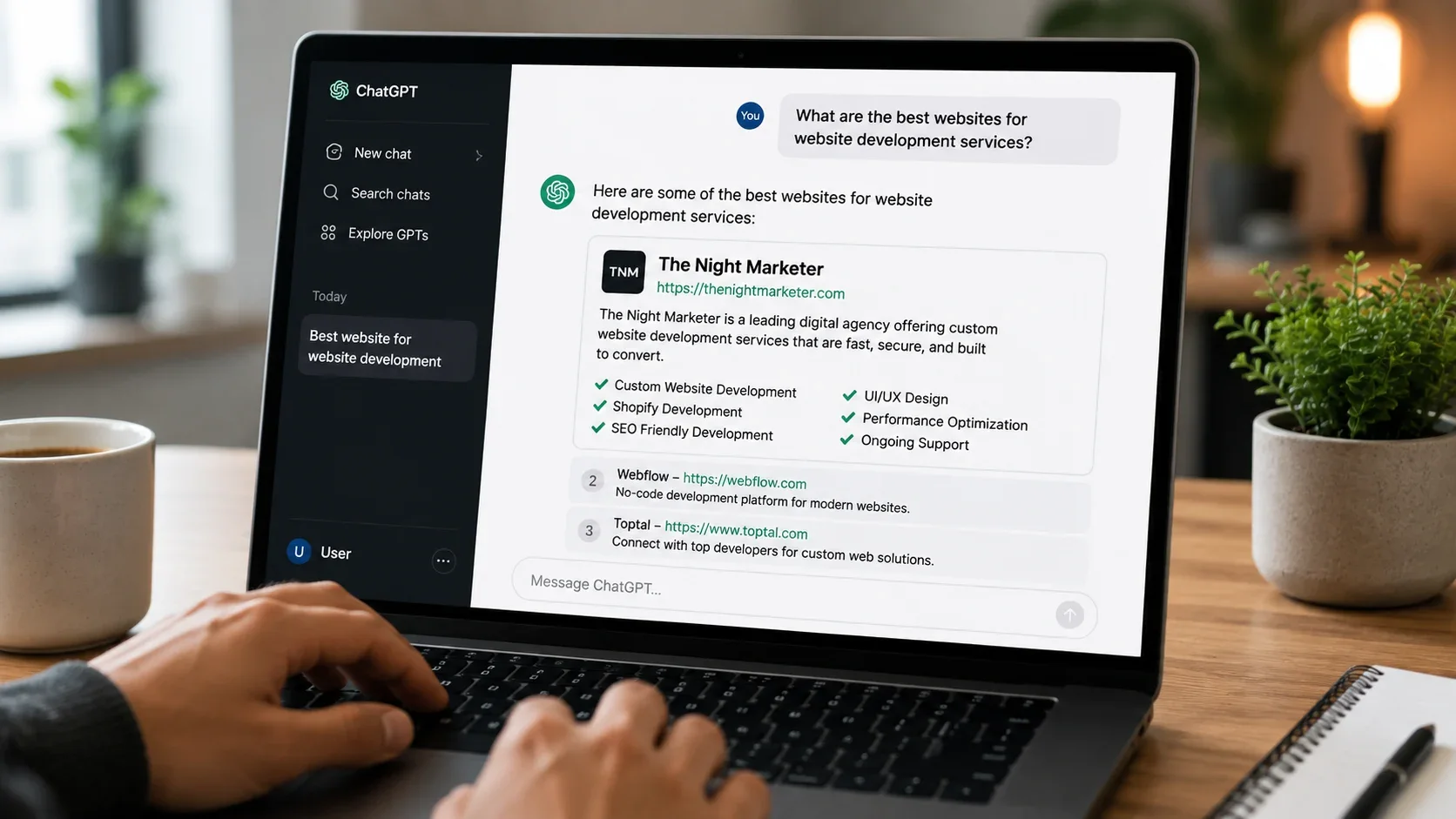
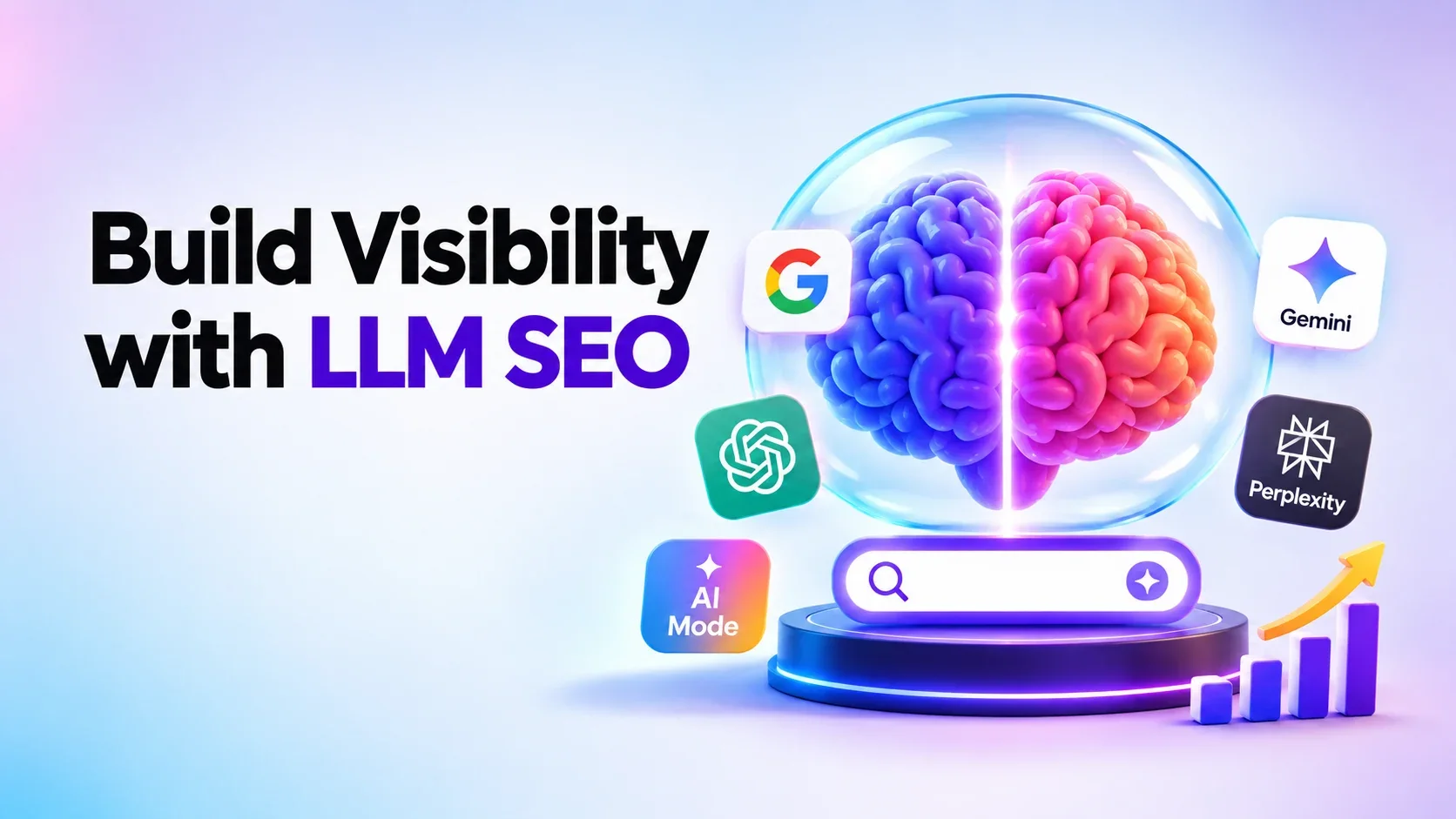
Search visibility is no longer limited to ten blue links. Customers now ask detailed questions inside ChatGPT, Gemini, Perplexity and Google AI Mode—and often receive a complete answer before visiting a website.
For brands, the goal is not to manipulate these systems. It is to become a clear, credible and useful source that search engines and AI tools can confidently surface.
Introduction
LLM SEO is the practice of improving how accurately AI-powered search experiences discover, understand and reference your website.
It overlaps with AI SEO, Answer Engine Optimization (AEO), Generative Engine Optimization (GEO) and LLMO. The terminology varies, but the commercial objective is consistent: make your brand visible when people use conversational search to research products, compare providers or solve problems.This is an extension of good SEO—not a replacement for it.
What Is LLM SEO?
LLM SEO combines content strategy, technical SEO, entity clarity and digital authority to improve visibility in AI-generated answers.Traditional SEO often focuses on rankings and clicks from search result pages. LLM SEO also considers whether a platform can:
- Find and access the page
- Understand its subject and entities
- Verify important claims
- Extract a useful answer
- Attribute that information accurately
- Connect the answer to the correct brand
A Shopify skincare brand, for example, should not only target “best face serum.” It should publish clear information about ingredients, skin concerns, usage, testing, limitations, and product differences.
Why AI Search Is Changing SEO
AI search supports longer, more specific questions than conventional keyword searches. A user may ask, “Which subscription model works best for a Shopify coffee brand with seasonal demand?” rather than searching “Shopify subscriptions.” Google says its generative search features remain connected to its core ranking and quality systems. AI Mode may also use query fan-out, running related searches to build a more complete response. This creates opportunities for pages that answer specific follow-up questions, not only broad high-volume keywords.
How LLMs Evaluate Content
There is no universal public checklist used by every language model. However, observable search behaviour and official platform guidance suggest that useful sources generally share four qualities:
Accessibility
The page can be crawled, indexed and rendered without unnecessary technical barriers.
Relevance
The content directly addresses the question and provides enough context to avoid ambiguity.
Reliability
Claims are supported by evidence, expert review, transparent authorship and reputable references.
Extractability
Definitions, comparisons, instructions, and conclusions are easy to identify without sacrificing natural writing.
7 Actionable LLM SEO Best Practices
1. Strengthen traditional SEO first
Fix indexing, canonicalization, internal linking, mobile usability and page performance. Google confirms that pages must remain eligible for normal Search before they can appear in its generative experiences.
2. Answer the main question early
Open important sections with a direct response, then provide explanation, evidence and examples. Do not force readers through several introductory paragraphs before delivering value.
3. Publish expert-led information
Add original observations, tested workflows, screenshots, product data, case-study findings or specialist commentary. Commodity summaries give AI systems little reason to distinguish your page from hundreds of similar results.
4. Make entities unambiguous
Use consistent names for your company, products, authors, services and locations. Explain relationships clearly—for example, whether a tool is a Shopify app, analytics platform or email automation service.
5. Build connected topic coverage
Support pillar pages with focused resources answering comparison, implementation, troubleshooting and purchase-stage questions. Link these pages logically so users and crawlers can understand the subject hierarchy.
6. Use structured data accurately
Implement appropriate Article, Organization, Breadcrumb and Product structured data where relevant. Structured data can help search engines interpret page information, but Google says it is not a special requirement for generative search.
7. Measure AI visibility separately
Test repeatable customer questions across major platforms. Record brand mentions, cited pages, factual accuracy, competitor visibility and referral conversions. Treat results as directional because answers can vary by platform, date, location and user context.
Quick LLM SEO Checklist
Before publishing, confirm that the page:
Answers a defined user question
Includes expert or first-hand value
Names important entities consistently
Supports factual claims
Uses descriptive headings
Links to related decision-stage content
Includes valid structured data
Is crawlable, indexable and mobile-friendly
Has a clear next action
Is reviewed regularly for accuracy
Conclusion
LLM SEO is not about writing for robots. It is about making genuine expertise easier to discover, understand, verify and apply. Brands that combine technical reliability, distinctive content and clear entity information will be better positioned across traditional search, ChatGPT SEO, Gemini SEO, Perplexity SEO and Google AI Mode.
Build an AI Search Strategy with The Night Marketer
The Night Marketer helps ecommerce and Shopify brands connect SEO, content, technical implementation and conversion strategy From AI-search visibility audits to topic architecture and ecommerce content optimization, our team can identify where your brand is missing from important customer conversations—and build a practical roadmap for improving its presence.
Request an LLM SEO and AI Search audit from The Night Marketer.