In short
- AI Shopping is changing how customers discover and purchase products through ChatGPT, Claude, and Gemini.
- Creating helpful content, structured data, and fast-loading pages improves your chances of appearing in AI-generated recommendations.
- Strong technical SEO, mobile optimization, and customer trust signals remain essential for both traditional search and AI-powered search.
- Businesses that optimize for AI Shopping today will be better positioned to increase visibility, organic traffic, and ecommerce sales.
- Combining SEO, GEO, and user-focused content creates a future-ready ecommerce strategy.
Online shopping is evolving faster than ever. Instead of browsing dozens of websites, many shoppers now ask AI assistants like ChatGPT, Claude, and Gemini for product recommendations, comparisons, and buying advice. This shift is changing how customers discover products and how ecommerce businesses attract new buyers.
In this guide, you'll learn what AI Shopping is, why it matters, and how to optimize your ecommerce store for the future of search.
What Is AI Shopping?
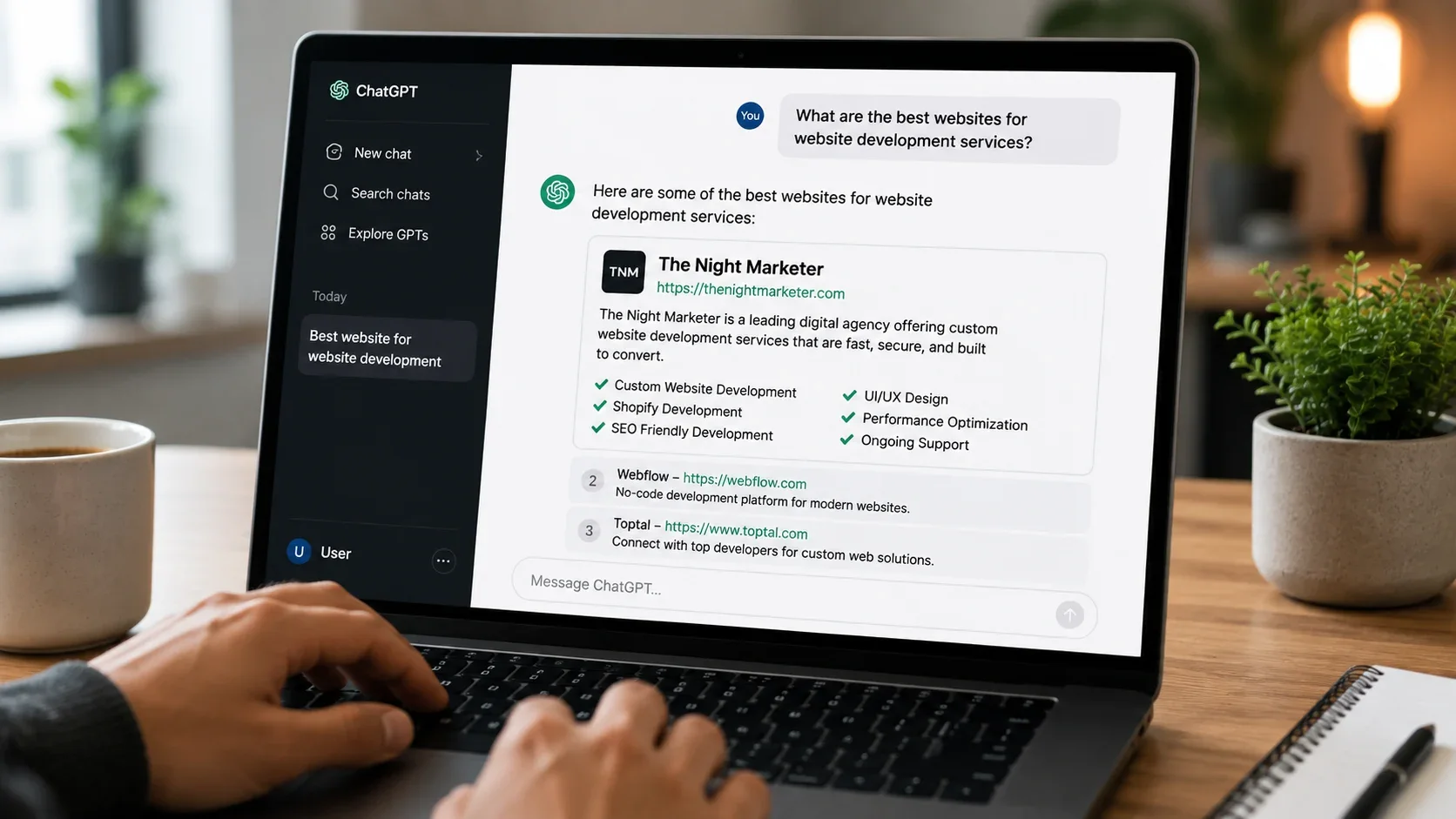
AI Shopping is the process of using artificial intelligence to help customers discover, compare, and purchase products. Instead of searching through multiple websites, shoppers can ask AI assistants questions like:
- "What's the best wireless keyboard under $100?"
- "Compare the top running shoes for beginners."
- "Recommend a skincare routine for oily skin."
AI tools analyze product information, reviews, specifications, and other trusted sources to provide personalized recommendations. This creates a faster and more convenient shopping experience for customers.
7 Ways to Optimize Your Store for AI Shopping
1. Create Helpful Product Content
Avoid copying manufacturer descriptions. Write original product content that explains benefits, features, and real-world use cases.
Good product pages answer common customer questions before they even ask them.
2. Use Clear Product Titles
Simple and descriptive titles help both search engines and AI understand your products.
For example:
❌ Men's Shoe Model XZ-91
✅ Men's Lightweight Running Shoes for Daily Training
Clear titles improve visibility and make product recommendations more accurate.
3. Add Structured Data
Structured data (schema markup) helps AI understand important product information such as:
- Product name
- Price
- Availability
- Reviews
- Ratings
- Brand
This extra context increases the chances of your products appearing in rich search results and AI-generated answers.
4. Improve Website Speed
A slow website creates a poor experience for users and search engines alike.
To improve speed:
- Compress images
- Remove unnecessary apps
- Use modern image formats
- Optimize code
- Choose reliable hosting
A faster website keeps visitors engaged and supports better search performance.
5. Build Trust with Customers
AI systems often prioritize reliable and trustworthy websites.
Include elements like:
- Customer reviews
- Secure checkout
- Clear return policies
- Contact information
- Business details
- HTTPS security
These trust signals benefit both users and AI-powered search experiences.
6. Focus on Helpful Content
Publishing educational content helps establish authority in your niche.
Examples include:
- Buying guides
- Product comparisons
- Tutorials
- FAQs
- Industry trends
High-quality content gives AI more reasons to reference your website when answering user questions.
7. Optimize for Conversational Search
People speak differently than they type.
Instead of targeting only short keywords, create content that answers complete questions such as:
- Which laptop is best for students?
- How do I choose the right office chair?
- What's the best Shopify subscription app?
Natural language content aligns better with AI-powered search.
AI Shopping vs Traditional Search
| Traditional Search | AI Shopping |
|---|---|
| Users browse multiple websites | AI summarizes information instantly |
| Keyword-focused | Conversation-focused |
| Users compare products manually | AI compares products automatically |
| Multiple search results | Personalized recommendations |
| Click-first experience | Answer-first experience |
Businesses should optimize for both search methods to maximize visibility.
The Future of AI Shopping
AI Shopping is still evolving, but its impact is already clear. Customers are becoming more comfortable asking AI assistants for buying advice, product recommendations, and comparisons.
As platforms like ChatGPT, Claude, and Gemini continue to improve, businesses that invest in high-quality content, technical SEO, structured data, and user experience will be in a stronger position to attract future customers.
Rather than replacing traditional SEO, AI Shopping builds on it. The best-performing ecommerce websites will combine strong SEO practices with AI-friendly content strategies.
Final Thoughts
AI is transforming the way people discover and purchase products online. Instead of relying only on traditional search engines, shoppers are increasingly using AI assistants to guide their buying decisions.
By creating helpful content, improving website performance, using structured data, and focusing on customer experience, your ecommerce store can stay visible across both search engines and AI-powered platforms.
Preparing today means you'll be ready for the future of online shopping.