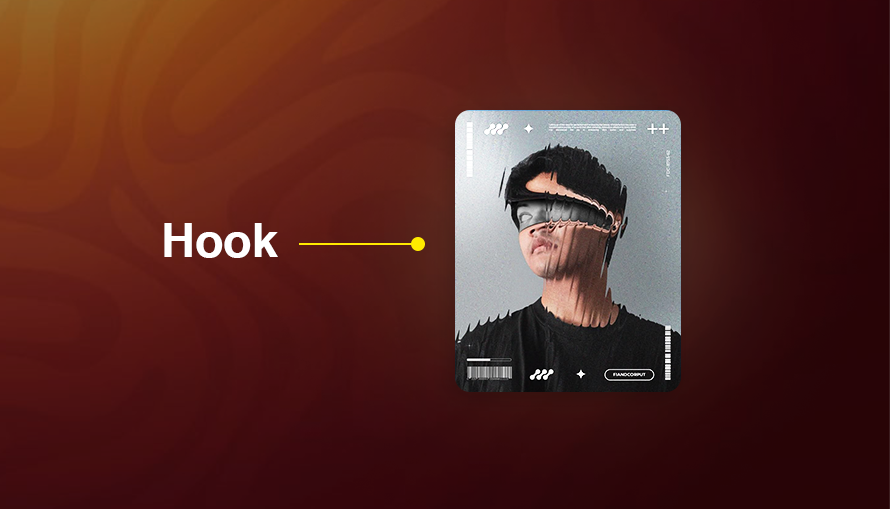
Every design, whether it’s an ad, thumbnail, or brand visual, has one simple job:
to get noticed.
And that starts with one thing: the hook.
What Exactly Is a Hook?
A hook is the first thing that catches the eye, the visual spark that makes someone pause, look again, and feel something. It’s the element that stops the scroll, the magnet that turns curiosity into attention. Think of it like a movie trailer. A great trailer doesn’t show everything; it teases the emotion, the energy, and the story.
That’s what your hook should do: make people want to see more.
A hook can be:
- A face full of emotion
- A striking color contrast
- A focused object with mystery
- A bold visual angle that feels new
Whatever it is, your hook decides whether your design is seen or ignored.
Why the Hook Matters
We live in a world that scrolls faster than ever. Online, people decide in under two seconds whether something is worth their attention. That means your design has only a blink to make its case.
Without a hook, even the best layouts and colour palettes can fade away.
A strong hook gives your design:
- Curiosity: it pulls people in.
- Emotion: it makes them feel something.
- Direction: It guides the eye where you want it to go.
Let’s break that down.
1. Curiosity
A great hook doesn’t reveal everything. It leaves space for imagination.
Maybe it’s an expression that hints at a story or a product shown from an unexpected angle.
That small moment of “wait, what’s this?” is where engagement begins.
2. Emotion
Emotion drives memory.
When a design makes someone feel something – happiness, calm, surprise – they remember it.
Your hook is where that emotion lives: in light, in texture, in expression, or in contrast.
3. Direction
A good hook also anchors your entire composition.
It’s the part of the design that leads the viewer’s eyes naturally from focus to message to call-to-action.
If the hook is clear, the flow is effortless.
What Makes a Great Hook?
Creating a strong hook isn’t about being flashy. It’s about clarity, finding that one visual point that speaks for everything else.
Here are the building blocks of a powerful hook:
Emotion
Real emotion makes your design relatable. A genuine smile, focused eyes, or tension in motion – these human cues make people connect instantly.
Contrast
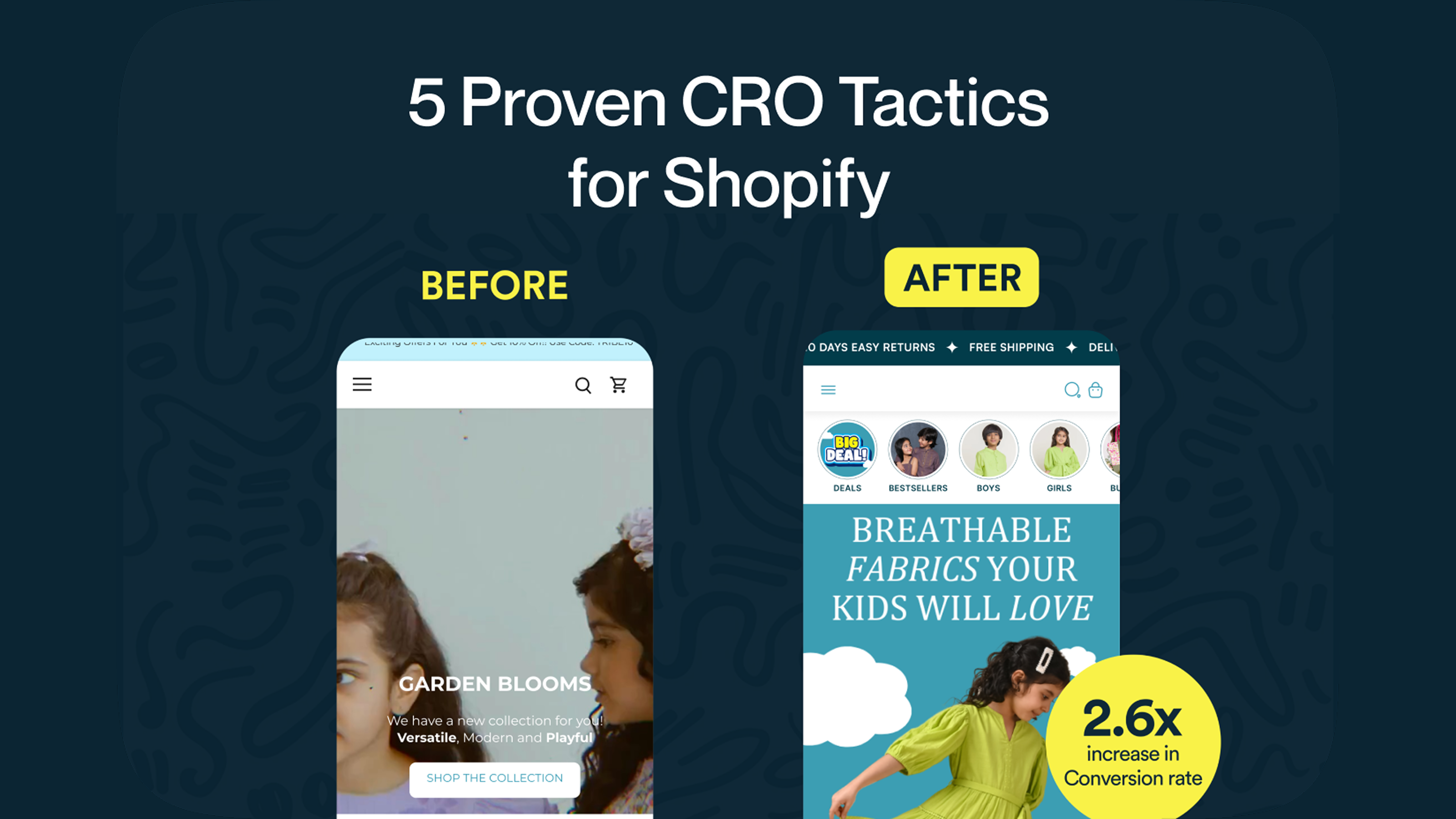
Contrast helps the hook stand out. It can come from light and shadow, scale, or colour. For example, a bright product against a dark background or warm tones against cool ones both grab attention fast.
Composition
Where you place your hook matters as much as the hook itself. A centred focal point feels strong and direct. An off-centred focus feels cinematic and dynamic. Use composition to build balance and tension.
Simplicity
The best hooks don’t compete for space. They own the space. Keep distractions away. If your main subject is strong, give it room to breathe.
Story Connection
Your hook should always reflect your message. If your campaign is about adventure, the hook should feel open and free. If it’s about comfort, it should feel calm and soft. Every element must serve that emotion.
The Science Behind Hooks
Hooks work because of how our brains are wired. Humans instinctively respond to faces, motion, and contrast before they process text. It’s called the orienting response, our brain’s built-in alert system for anything that looks new or emotionally charged. That’s why a single human expression or burst of unexpected colour can draw attention faster than a headline. A strong hook speaks to the brain before the viewer even realises it, and that’s how visual storytelling wins.
How to Build the Right Hook
Finding your perfect hook doesn’t happen by accident. It comes from intention and understanding what emotion you want to create.
Here’s a simple 3-step flow to help:
Step 1: Define the Feeling
Ask yourself:
“What emotion should people feel when they see this design?”
Confidence? Calm? Joy? Wonder?
Once you know that, you can choose visuals that match it.
Step 2: Pick a Visual Anchor
Every design needs one clear anchor: the element that leads the eye first.
It could be a face, an object, a symbol, or even a colour.
Everything else in the design should support this one focal point.
Step 3: Simplify Around It
Eliminate clutter.
If something doesn’t help the hook, it weakens it.
Negative space, clean lines, and contrast make your main element stronger.
Why Some Designs Fall Flat
Sometimes, designs look “complete” but still don’t connect. Usually, it’s because they lack a clear hook. There’s no focal point, no emotion, and no reason to stop and look.
When everything looks equally important, nothing feels important. The hook is what gives your design hierarchy; it tells the viewer where to start and what to feel.
In Simple Words
A hook is the main point of focus in your design, the first thing people notice. It helps your viewer understand what’s important and why they should care. When your hook is clear, your design feels purposeful. When it’s missing, the layout might look good but won’t connect or stand out. A good hook guides the viewer’s attention, builds curiosity, and supports your message. It doesn’t need to be dramatic, just intentional.
So before you finish your design, ask yourself:
What’s the first thing people will notice here, and does it reflect what I want them to feel or do?
Final Thought
Design isn’t just about how things look; it’s about how they make people feel. And that feeling always begins with a powerful hook. If you want your visuals to grab attention, build curiosity, and tell stories that resonate start with the hook. Everything else is just decoration.
Want to create visuals that truly stop the scroll?
Explore The Night Marketer’s Creative & Branding Services, built to help brands design with purpose, emotion, and attention-grabbing hooks that convert.