In short
- Traditional SEO alone is no longer enough for AI-driven search engines
- GEO focuses on making content readable and usable by generative AI models
- AEO ensures your content is delivered directly as AI answers and snippets
- AI search prioritizes intent, clarity, and context over keyword stuffing
- Structured content (headings, FAQs, tables, schema) improves AI visibility
- Entity-based SEO helps AI understand topical authority and relevance
- Concise, answer-first writing increases chances of being cited by AI
- E-E-A-T is critical for trust and authority in AI search results
- Brands that adapt early gain visibility in AI responses and chatbots
- AI search optimization is essential for marketing, ecommerce, and SaaS growth in 2026
The world of search is evolving at an unprecedented rate. Traditional SEO strategies that were effective five years ago—such as keyword stuffing, backlinks, and rigid content hierarchies—are no longer sufficient. AI-powered search engines like ChatGPT, Google AI, and Gemini are reshaping how users find and consume information. Unlike classic search engines, these AI systems prioritise relevance, intent, and concise answers over long-tail keyword matches. For marketers, ecommerce founders, startups, and agencies, this shift isn’t just technical—it’s strategic. Optimising for AI search means rethinking content creation, focusing on clarity, authority, and user-centric answers. Enter GEO and AEO: two essential concepts that will define the future of SEO. In this guide, we’ll break down how to optimise your content for AI search engines in 2026, with actionable strategies to keep your brand visible in the era of AI-driven search.
What Are GEO and AEO?
Generative Engine Optimization (GEO)
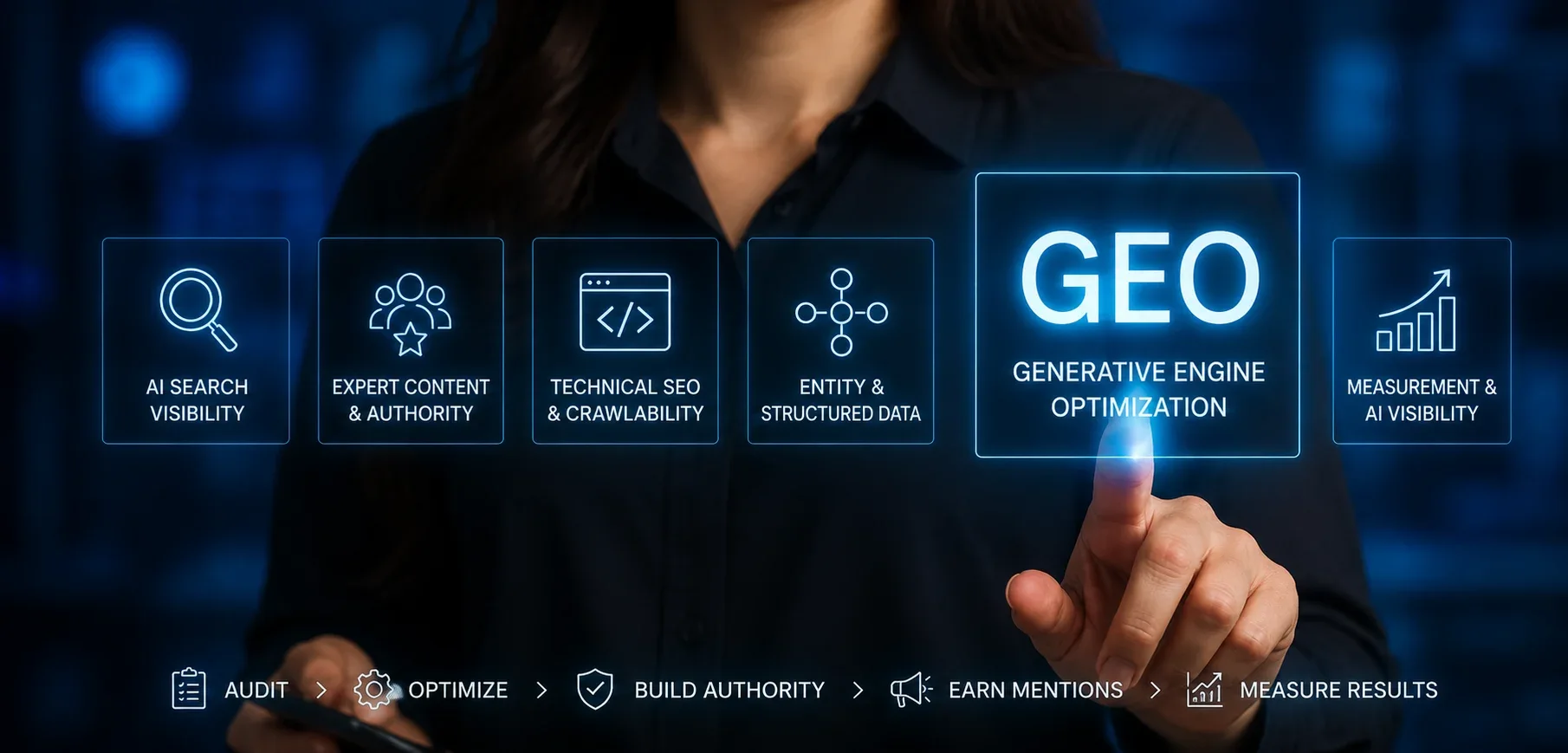
GEO, or Generative Engine Optimisation, refers to optimising content specifically for generative AI platforms. These platforms—like ChatGPT, Jasper, or Google’s Gemini—create responses based on natural language prompts. Unlike traditional search engines that rank pages, generative engines generate answers directly from their trained knowledge and the data they can access.
For marketers, GEO means your content needs to be structured in a way that AI can “read” and pull from it easily to generate accurate answers. Key points:
- Clear, concise content that AI can interpret
- Structured data and metadata to support AI reasoning
- Topical authority to signal expertise
Answer Engine Optimization (AEO)
AEO, or Answer Engine Optimisation, focuses on optimising content to appear in AI-driven answer boxes or snippets. While GEO is about how AI consumes your content internally, AEO is about visibility in AI responses. Think of it as the AI equivalent of featured snippets in Google’s search results.
AEO strategies prioritise:
- Direct answers to common questions
- Structured FAQ sections
- Schema markup for AI readability
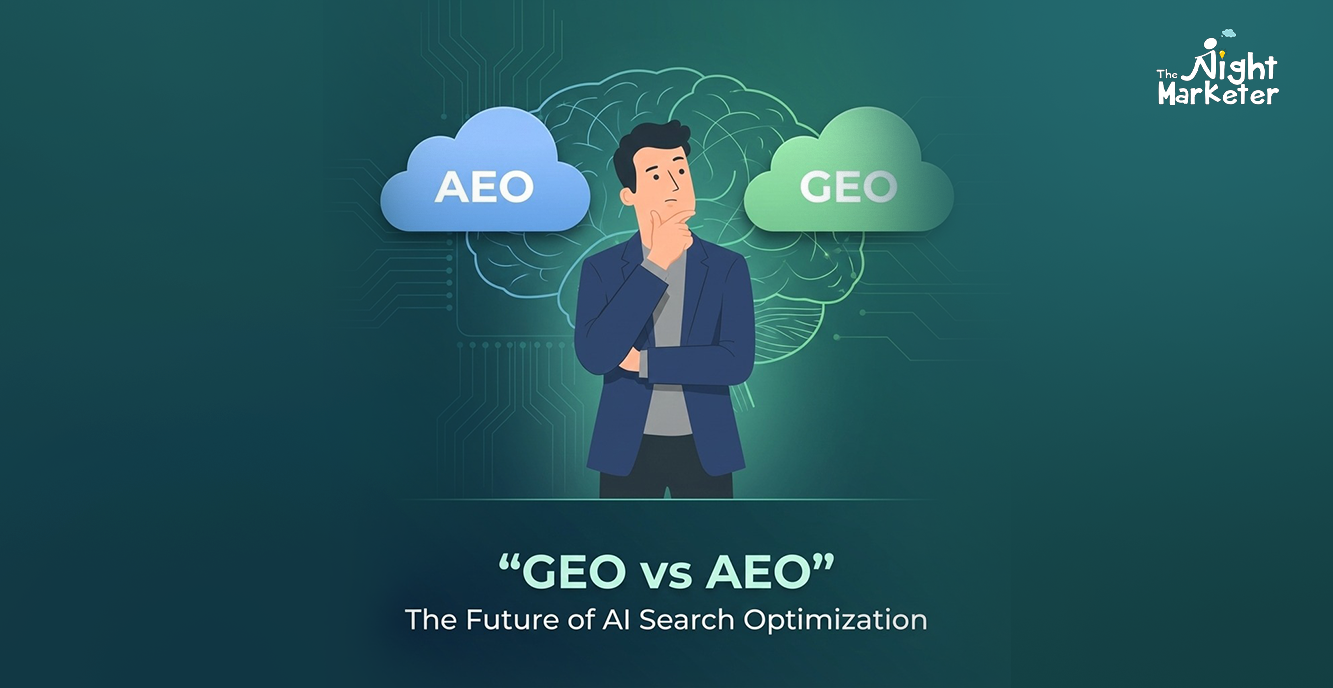
In short, GEO is about creating AI-friendly content; AEO is about ensuring AI delivers your content to users.
Traditional SEO vs AI Search Optimization
Before diving into AI SEO strategies, it helps to see how traditional SEO differs from AI-driven optimisation.
|
Aspect |
Traditional SEO |
AI Search Optimization (GEO & AEO) |
|
Focus |
Keywords, backlinks, technical SEO |
Answer quality, relevance, and context |
|
Content |
Long-form, keyword-heavy, hierarchical |
Concise, structured, entity-focused |
|
User intent |
Explicit keyword queries |
Implicit intent, conversational queries |
|
Visibility |
SERPs, featured snippets |
AI answers, chatbots, generative responses |
The shift from rankings to AI visibility changes how marketers must approach content. It’s no longer just about “being found”—it’s about “being cited.”
Step-by-Step Strategies for AI Search Optimization
Optimising for AI search engines is not a one-off task. It’s a holistic approach involving content structure, authority, and technical SEO elements. Here’s how to approach it.
1. Structure Your Content for AI Readability
AI engines thrive on well-structured content. Unlike humans, they parse text logically and hierarchically, so your content should reflect that.
Best practices:
- Use clear H2 and H3 headings
- Break text into short, digestible paragraphs
- Include bullet points and numbered lists for clarity
- Highlight definitions and key takeaways
- Use tables for comparisons and summaries
Example:
For an e-commerce SaaS platform, instead of a 2,000-word blog about “best email marketing tools”, break it into:
- H2: Top Email Marketing Tools for Startups
- H3: Features & Pricing Comparison
- H3: AI-Powered Automation Benefits
- H2: How to Choose the Right Tool
This structure allows AI to quickly identify entities, intent, and key points for generative responses.
2. Focus on Entity-Based SEO and Topical Authority
AI search engines don’t just look at keywords—they analyse entities. An entity is a distinct concept, brand, person, product, or topic that AI can identify.
How to implement entity-based SEO:
- Mention recognized entities related to your topic
- Link to authoritative sources for context
- Cluster content around related topics to build topical authority
- Use internal linking to reinforce connections between entities
Example:
A SaaS marketing blog can reference entities like “HubSpot”, “Mailchimp”, or “AI email personalisation”, with links and detailed comparisons to reinforce authority.
Why it matters:
AI engines rank content based on credibility, relevance, and topical coverage. The more your content demonstrates expertise across related entities, the higher the chance AI will cite it in responses.
3. Optimize FAQs and Schema
FAQs are a goldmine for AEO. AI loves direct question-and-answer formats.
Best practices:
- Include a dedicated FAQ section for common user questions
- Keep answers short (40–60 words) and factual
- Use FAQ schema for structured markup
- Cover both general and product-specific questions
Example for an e-commerce site:
Q: How fast is shipping for our subscription boxes?
A: All subscription boxes ship within 48 hours of order confirmation, with real-time tracking available.
Schema helps AI engines understand your content’s context and deliver accurate answers.
4. Write Concise, Answer-Focused Content
AI search engines prefer concise answers over long paragraphs. Aim to:
- Lead with the answer, then expand if needed
- Avoid fluff or generic introductions
- Use simple, direct language
Example:
Instead of:
Our SaaS solution has multiple features that can improve your email marketing campaigns and customer engagement through automation and analytics…
Use:
Our SaaS solution automates email campaigns and tracks engagement to increase conversions.
This approach aligns with how AI generates answers for users.
5. Prioritize E-E-A-T for AI Visibility
E-E-A-T (Experience, Expertise, Authority, Trustworthiness) has always mattered for SEO, and it’s even more crucial for AI search.
Strategies to strengthen E-E-A-T:
- Showcase author expertise and credentials
- Cite credible sources and data
- Highlight real-world case studies
- Maintain transparent company information and policies
Marketing example:
An agency writing about AI content marketing can reference actual campaign results, link to verified tools, and provide insights from certified AI marketers.
6. Monitor AI-Specific Metrics
Unlike traditional SEO, AI search visibility isn’t tracked through page rankings alone. Consider:
- AI answer inclusion rates (how often AI cites your content)
- Engagement metrics from AI-generated platforms
- Click-through from AI-assisted recommendations
Tools like Google Search Console can give some insights, but monitoring AI-specific mentions requires observation of emerging AI platforms and community trends.
Practical Examples for Marketing, Ecommerce, and SaaS
Marketing Agencies
- Blog posts with clear subheadings, entity mentions, and FAQs about AI marketing trends
- Case studies with concise metrics and proven strategies
Ecommerce Brands
- Product pages with structured specs, quick answers to shipping/returns questions, and AI-friendly schema
- Content hubs for seasonal guides or gift ideas, optimized for AI snippet answers
SaaS Startups
- How-to guides with step-by-step instructions and bullet points
- FAQ sections for features, integrations, and pricing with schema markup
These examples demonstrate that AI search optimisation isn’t just for tech-savvy teams—it’s practical for all digital marketers.
Conclusion: Why Brands Must Adapt Now
The shift toward AI search engines isn’t a distant possibility—it’s already happening. GEO and AEO are the new frontiers of SEO, emphasising structured, authoritative, and answer-focused content. Brands that adapt now will:
-
Gain first-mover advantage in AI-driven search results
-
Build topical authority and credibility faster
-
Improve user engagement through concise, relevant content
-
Stay competitive as traditional SEO continues to evolve
In 2026, optimising for AI isn’t optional—it’s essential. Marketers, e-commerce founders, and agencies that embrace AI search optimisation today will be the ones whose content is cited, trusted, and delivered to users tomorrow.
Ready to future-proof your SEO with GEO & AEO?
Get a custom strategy tailored to your business—fill out our direct consultation form now: