Introduction: The Power of Mood Boards in Design
Every great design begins with a clear vision. Before colors, fonts, or layouts are finalized, designers need a tool to visualize ideas and set the project’s tone. That tool is the mood board—a simple yet powerful way to gather inspiration, organize concepts, and communicate a design direction to clients or collaborators.
Mood boards serve as a creative foundation, bridging abstract ideas and tangible design elements. Mastering this first step ensures smoother workflows, fewer revisions, and a stronger alignment between your vision and the final outcome.
What a Mood Board Really Is
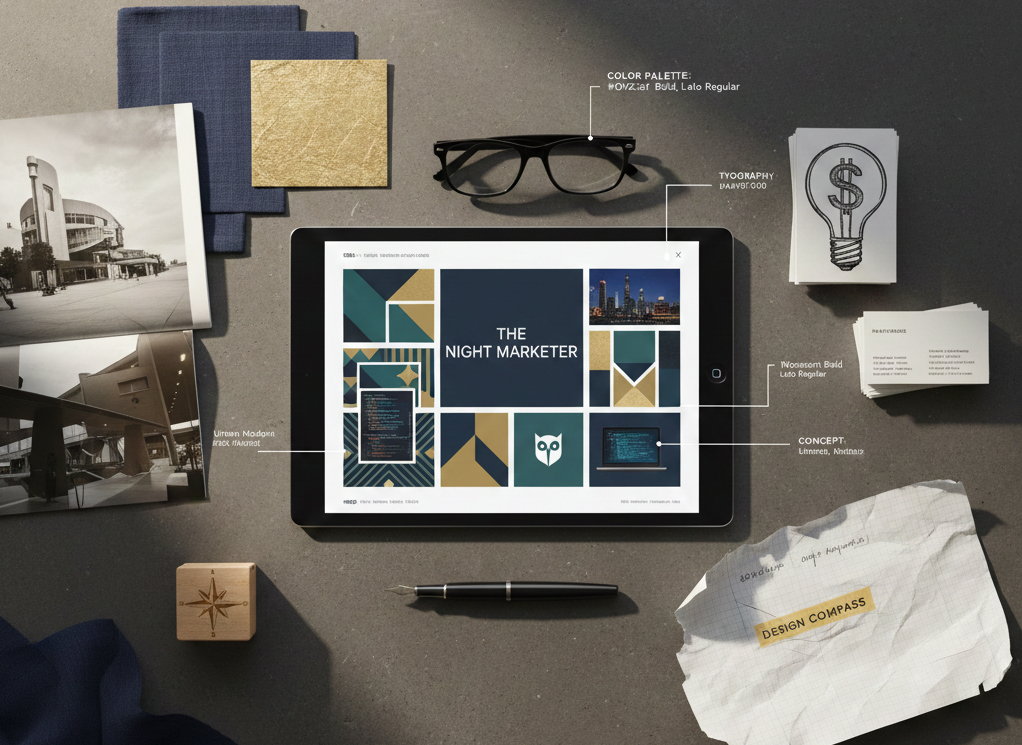
A mood board is more than a collage of images. It’s a strategic visual guide that captures colors, textures, typography, patterns, and imagery to convey the essence of a project. Its purpose is to align everyone involved—from designers to clients—on the style, mood, and direction of a design.
Mood boards are invaluable because they:
- Clarify aesthetic direction
- Inspire creativity without commitment
- Serve as a reference throughout the design process
- Enhance collaboration by providing a visual “language”
Designers can explore The Night Marketer for resources and inspiration to create effective mood boards.
Types of Mood Boards
Mood boards can take several forms depending on the project type and workflow:
1. Physical Mood Boards
The traditional approach involves using magazines, fabric swatches, paint samples, and photographs. Handling materials physically often sparks unique ideas that digital tools might miss.
2. Digital Mood Boards
Platforms like Canva, Milanote, or Photoshop make it easy to collect, organize, and share images online. Digital boards are ideal for remote collaboration and fast iteration.
3. Hybrid Mood Boards
Combining physical and digital elements—such as photographing a physical collage and enhancing it digitally—offers the best of both worlds, keeping tactile inspiration while allowing easy sharing.
For guidance on mood board techniques, visit The Night Marketer.
Step-by-Step Guide to Creating a Mood Board
Step 1: Define Your Objective
Before gathering materials, ask yourself:
- What’s the purpose of this project?
- Who is the target audience?
- What emotions or messages should the design convey?
A clear objective ensures the mood board remains focused and meaningful.
Step 2: Collect Inspiration
Gather ideas from diverse sources:
- Magazines, books, and print media
- Online platforms like Pinterest, Behance, or Dribbble
- Real-world objects, textures, or environments
Step 3: Curate and Refine
Not everything belongs on the final board. Ask:
- Does this element fit the theme?
- Does it communicate the intended emotion?
- Does it harmonize visually with other items?
Curation ensures the board remains cohesive and professional.
Step 4: Organize Your Layout
Arrange items with attention to:
- Hierarchy: Emphasize key visuals
- Balance: Mix colors, shapes, and textures evenly
- Flow: Lead the viewer’s eye naturally across the board
Step 5: Annotate and Explain
Include brief notes or captions to describe choices, such as font names, color codes, or material references. These annotations make your mood board actionable for team members or clients.
Step 6: Review and Iterate
Step back and evaluate:
- Does it align with project goals?
- Are there conflicting or redundant visuals?
- Does it convey the intended style and emotion?
Refinement ensures the mood board effectively guides the design process.
Common Pitfalls to Avoid
Even experienced designers can make mistakes. Avoid these common issues:
- Overcrowding: Too many visuals can overwhelm viewers.
- Lack of Focus: A board without a clear theme loses purpose.
- Ignoring Audience Needs: Always consider the client and end-user.
- Skipping Iteration: Mood boards should evolve until they clearly represent the vision.
Tips for Creating an Effective Mood Board
- Start Broad, Then Narrow: Collect diverse ideas, then focus on what fits.
- Use a Cohesive Color Palette: Ensures visual harmony across the project.
- Include Typography and Patterns: Don’t limit the board to images alone.
- Seek Early Feedback: Share drafts with clients or teammates to align expectations.
- Stay Flexible: Mood boards guide rather than restrict creativity.
Conclusion: The Mood Board as Your Design Compass
Mood boards are more than preliminary tools—they are essential frameworks for clarity, inspiration, and collaboration in any design project. By mastering mood boarding, designers can translate abstract ideas into cohesive visuals, align with clients effectively, and maintain a consistent style throughout the project.
Whether using traditional physical boards, digital platforms, or hybrid methods, dedicating time to create thoughtful mood boards sets the stage for successful, impactful designs.
For ongoing guidance and inspiration, visit The Night Marketer.