In short
- AI agents provide 24/7 automated support for e-commerce customers.
- They personalize experiences based on purchase history and behavior.
- AI agents reduce operational costs while maintaining high-quality service.
- They can proactively engage customers, e.g., abandoned cart reminders.
- AI technologies like NLP, machine learning, and sentiment analysis drive their capabilities.
- Implementing AI agents is essential for competitive e-commerce in 2026.
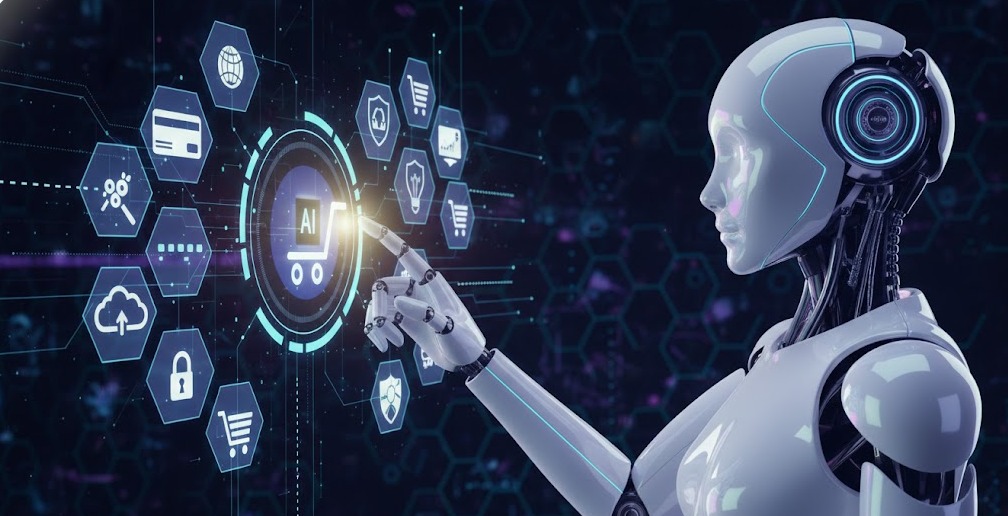
In 2026, e‑commerce is no longer just about listing products online; it’s about providing exceptional customer experiences. With customer expectations at an all-time high, traditional support channels often fall short. Enter AI agents—autonomous, intelligent systems capable of handling queries, personalising experiences, and improving operational efficiency. This blog explores how AI agents are transforming e‑commerce customer service, why they are essential, and how businesses can implement them effectively.
What Are AI Agents?
AI agents are software programs that act autonomously to perform tasks on behalf of users or businesses. Unlike traditional chatbots that follow scripted rules, AI agents learn from interactions, make decisions, and can even proactively assist customers.
Key characteristics:
-
Autonomy: They act without constant human intervention.
-
Learning ability: Use machine learning to improve responses.
-
Context awareness: Understand previous interactions to provide personalised support.
Example: An AI agent in a fashion e‑commerce store can recommend outfits based on past purchases and answer sizing questions instantly.
Why AI Agents Are Game-Changers in 2026
Faster Customer Response-
Today’s shoppers expect instant answers. AI agents handle multiple queries simultaneously, ensuring 24/7 availability without long wait times.
Personalized Customer Experience-
AI agents analyse purchase history, browsing patterns, and preferences to deliver tailored recommendations. This boosts conversion rates and enhances customer satisfaction.
Cost Efficiency-
Hiring and training large customer support teams is expensive. AI agents reduce operational costs while maintaining high-quality support.
Proactive Engagement-
AI agents can anticipate customer needs, sending reminders for abandoned carts, notifying about restocks, or suggesting complementary products.
Key AI Technologies Driving This Revolution
-
Natural Language Processing (NLP): Helps agents understand and respond to human language naturally.
-
Machine Learning: Enables AI to learn from customer behaviour and improve over time.
-
ChatGPT-style Conversational AI: Provides human-like interactions and resolves complex queries.
-
Sentiment Analysis: Detects customer emotions and adjusts responses accordingly.
Real-World Examples
Shopify Stores
Many Shopify merchants use AI agents to answer FAQs, track shipments, and recommend products, increasing customer satisfaction and sales.
Amazon
Amazon uses AI-driven agents for customer support, product recommendations, and proactive alerts, ensuring seamless shopping experiences for millions of users.
How Businesses Can Implement AI Agents
Step 1: Identify Customer Pain Points
Analyse current support tickets and feedback to determine where AI can add value.
Step 2: Choose the Right AI Platform
Select AI tools that integrate with your e-commerce platform (e.g., Shopify, WooCommerce, Magento).
Step 3: Train the AI Agent
Feed the system with product information, FAQs, and customer interaction history.
Step 4: Monitor and Optimize
Continuously track performance metrics like response time, customer satisfaction, and conversion rate, and refine AI behavior.
Future Trends in AI Customer Service
-
Voice AI Agents: Support via voice assistants like Alexa or Siri.
-
Hyper-personalisation: real-time dynamic recommendations for every user.
-
Multi-channel Integration: AI agents managing social media, email, chat, and voice seamlessly.
Conclusion
AI agents are no longer a futuristic concept—they are reshaping e-commerce customer service in 2026. By providing instant, personalised, and cost-effective support, AI agents help businesses enhance customer satisfaction, boost sales, and stay competitive. Implementing AI agents is no longer optional; it’s a strategic necessity for any forward-thinking e-commerce business.
If you want to revolutionise your e-commerce customer service with AI agents, start by exploring AI platforms today and training your first agent. The future of customer experience is here—don’t get left behind.